Semiconductor Equipment
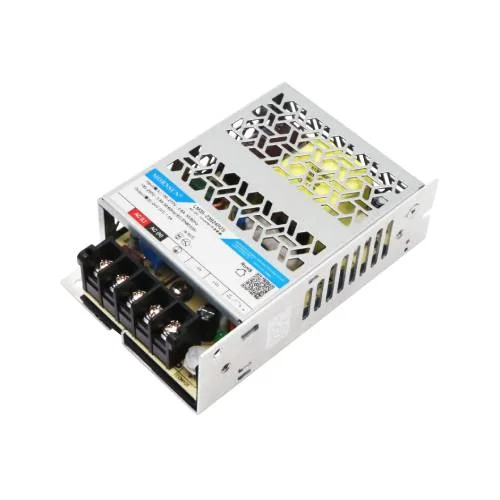
Power for wafer handling, metrology and process tools, where a supply has to be quiet, stable and predictable over long unattended runs.
Semiconductor tools run for long stretches without anyone watching them, and a fault costs far more than the part that caused it. That pushes the power supply decision away from headline price and towards noise, thermal behaviour and how the supply behaves at the edges of its range.
What usually decides the part
- Output noise and ripple. Metrology and sensor front-ends are the first things to suffer from a noisy rail. Where the signal chain is sensitive, a low-ripple module or a post-regulator is worth more than a few points of efficiency.
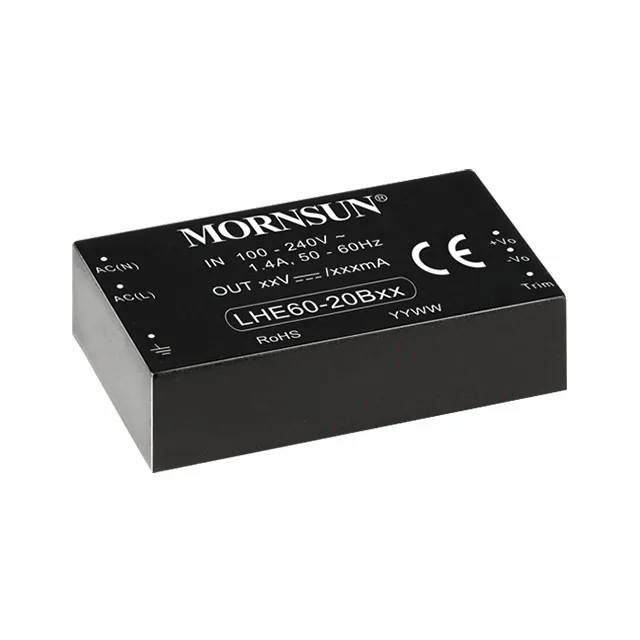
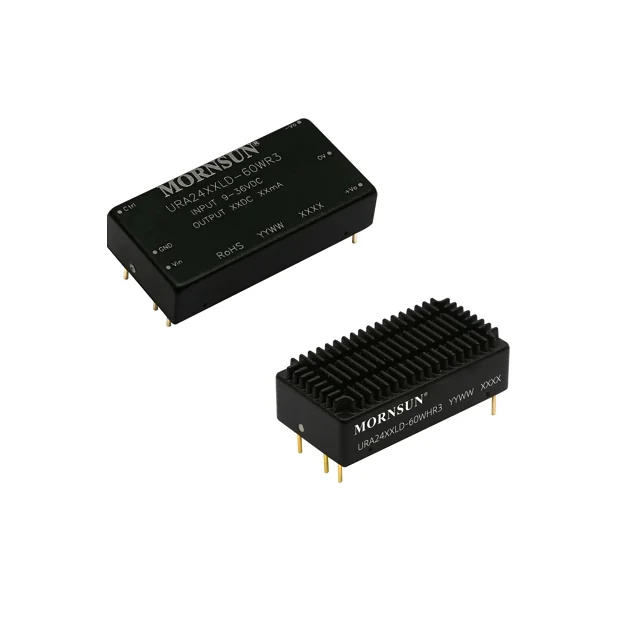
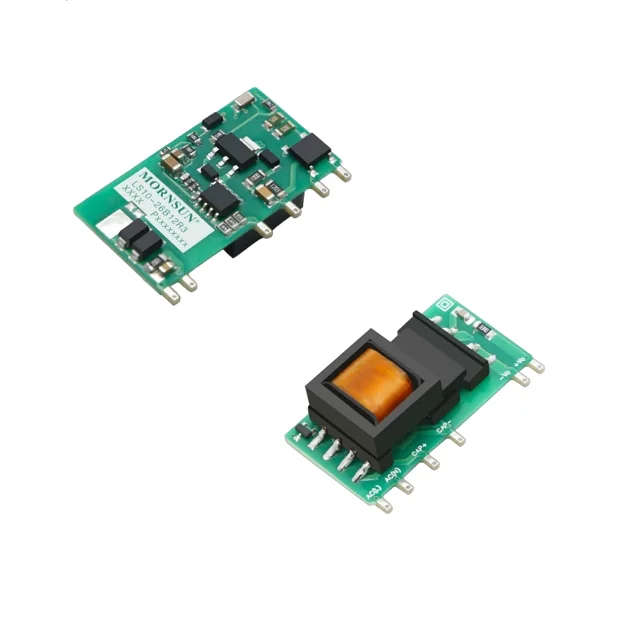
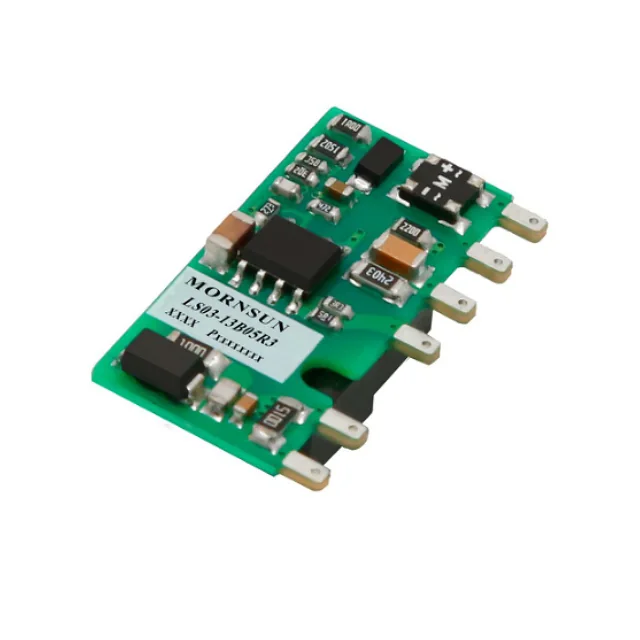
- Isolation. Tool subsystems often sit at different ground references; isolated DC/DC modules keep a fault or a ground loop in one subsystem from reaching another.
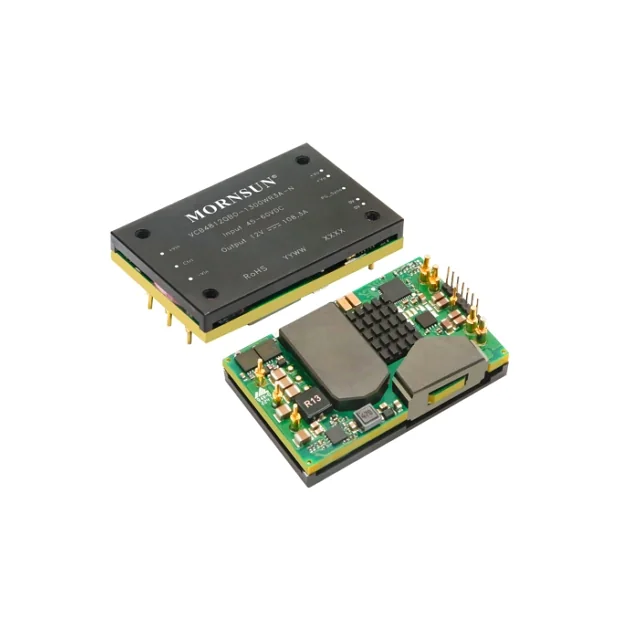
- Wide input range. A rail that sags during a motion or vacuum-pump transient should not take the control electronics with it.
- Temperature and derating. Inside a closed cabinet the ambient is not the room. The derating curve in the datasheet matters more than the headline wattage.
- Long-term availability. A tool platform outlives most component life cycles, so we check the manufacturer's current status for a part before recommending it for a new design.
How we help
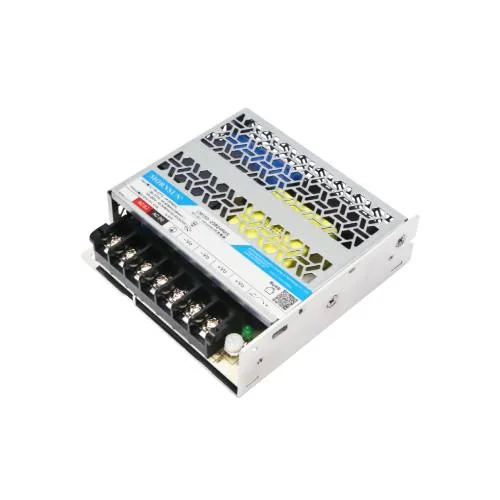
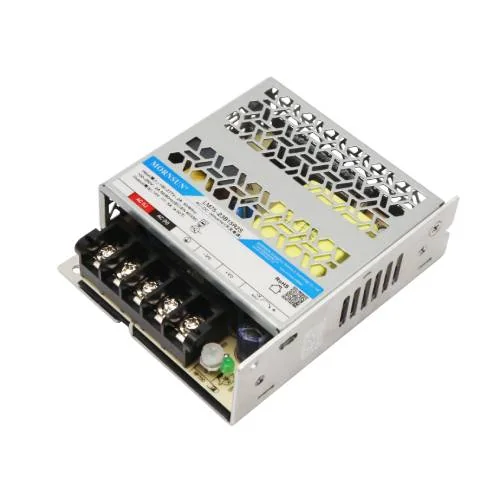
Send the rail list — input source, each output voltage and current, isolation requirement, ambient and mounting — and we come back with candidate part numbers, the official datasheets and a written quotation. Part numbers that are not published on this site are still available to us.
Concept scene: automated wafer handling inside a semiconductor process tool