A control cabinet is an electrically hostile place: contactors switching inductive loads, drives injecting noise back onto the rail, and an ambient that climbs once the doors are shut. Most automation power problems are not about watts — they are about what happens in the moments around a switching event.
What usually decides the part
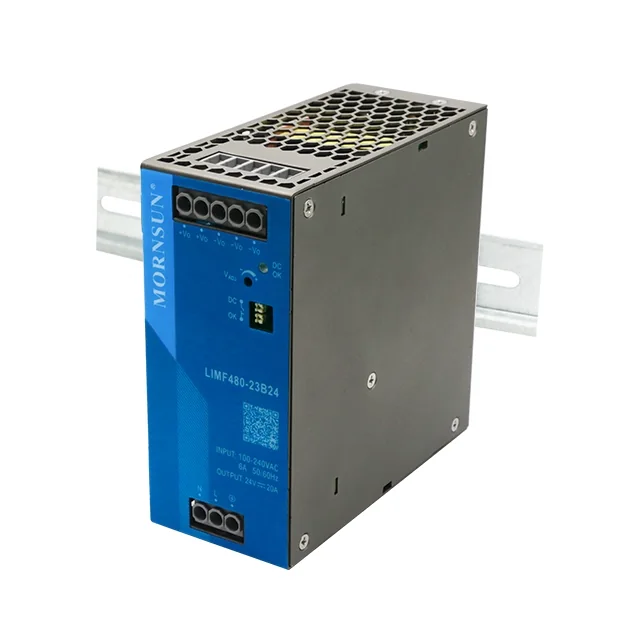
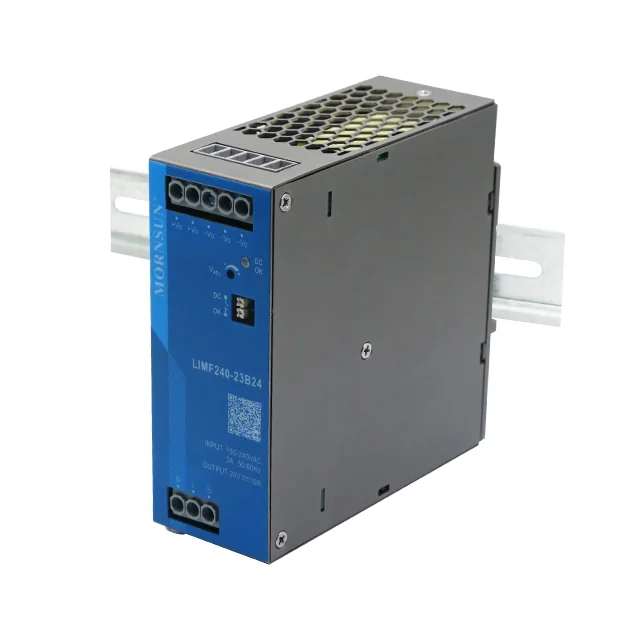
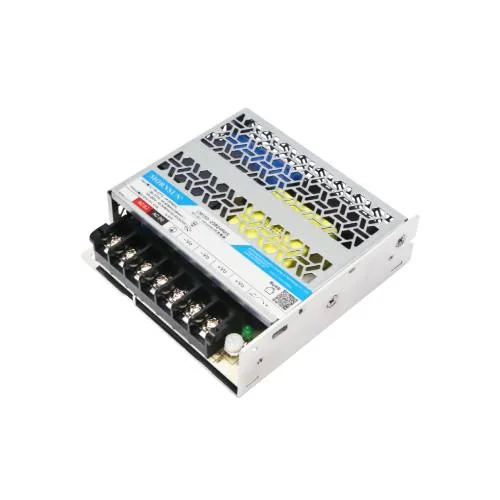
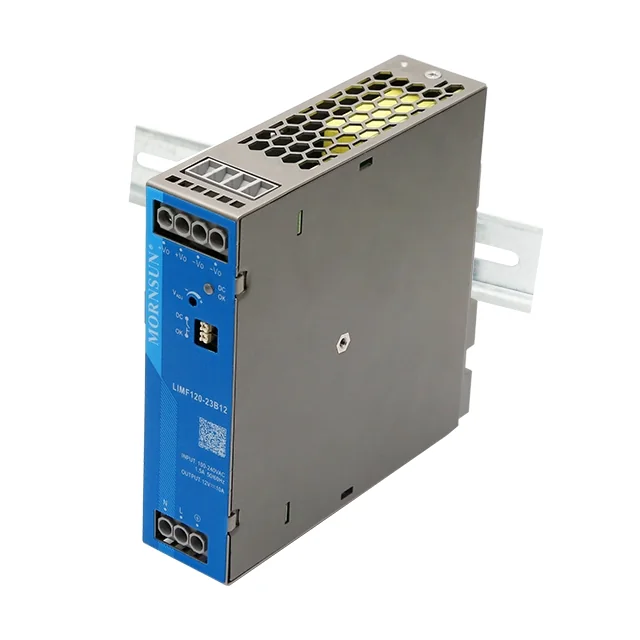
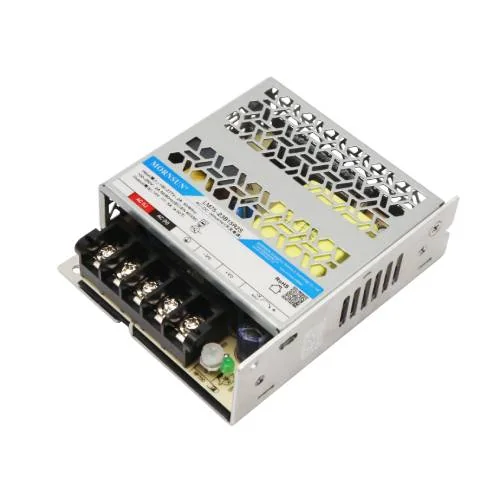
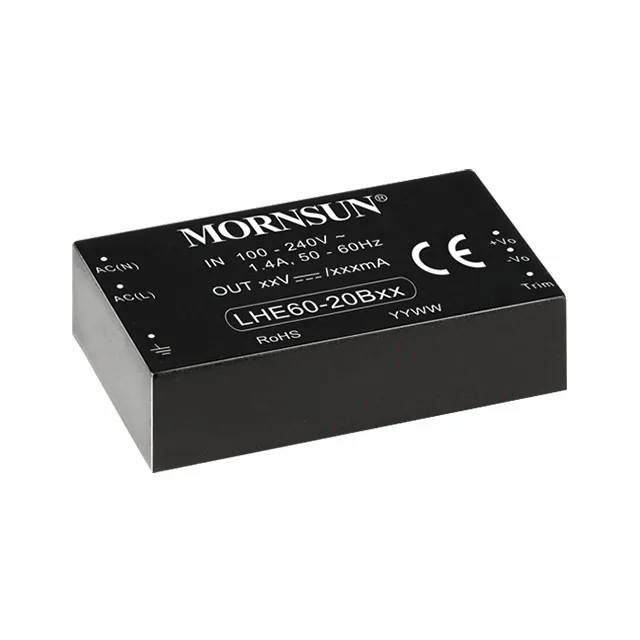
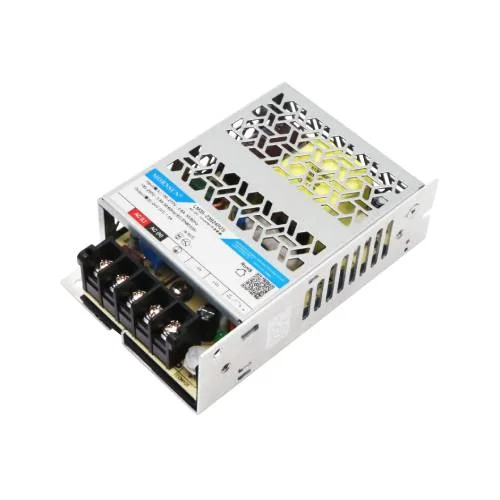
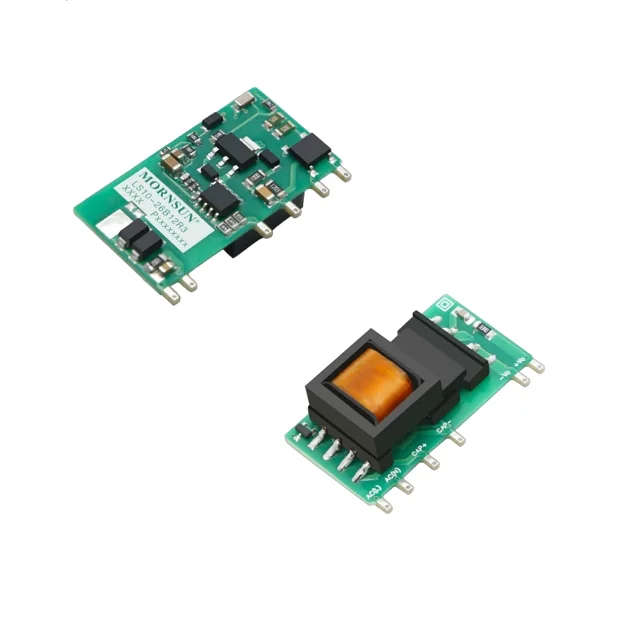
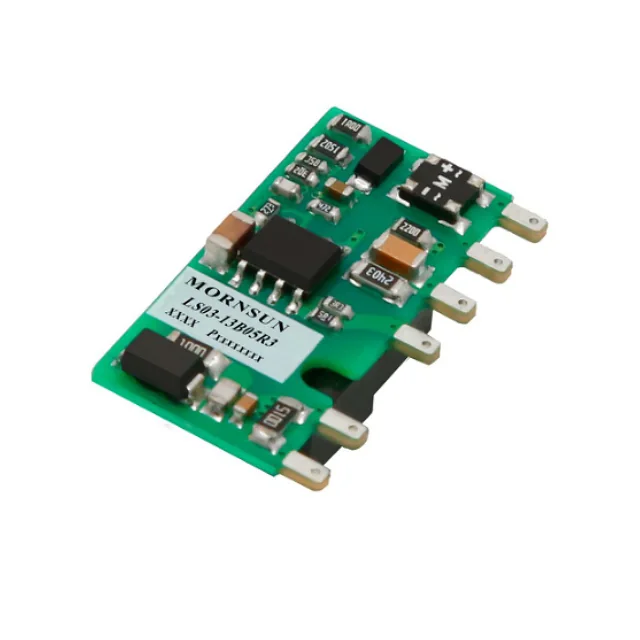
- Mounting and format. DIN rail for the cabinet, board-mount modules for the I/O card, an enclosed metal-case unit where the space is awkward. The format often narrows the list before the electrical spec does.
- Surge and transient tolerance. What the supply is rated to survive, and whether an EMC filter belongs in front of it.
- Isolation between subsystems. Field wiring, bus interfaces and the control core usually want separate isolated rails so a field fault stays in the field.
- Ambient and derating. Cabinet temperature, not room temperature, and the derating curve that goes with it.
- Hold-up time. How long the rail stays in regulation through a dip, and whether the controller can shut down cleanly.
How we help
Send the cabinet layout or the rail list, and we come back with candidates across the formats that fit, with the official datasheets and a written quotation. If you are replacing an existing supply, send the part number that is in there now and we will look for a drop-in or the closest equivalent we can evidence.